When people think about business growth, they often focus on marketing, pricing, or customer service. While these are all important, there’s another factor that quietly influences every customer interaction – graphic design.
Before someone reads your content, speaks to your team, or tries your product, they notice how your business looks. Your logo, website, social media posts, brochures, product packaging, and even your invoices communicate something about your brand. Together, these visual elements shape the first impression people have of your business.
Graphic design isn’t simply about making things attractive. It’s about creating a visual language that helps customers recognize your brand, understand your message, and feel confident choosing your business.
In this guide, we’ll explore why graphic design matters for businesses of every size and industry.
Table of Contents
What Is Business Graphic Design?
Business graphic design is the creation of visual assets that help a company communicate with its audience. These assets can be used online, in print, or across physical products.
Examples include:
- Company logos
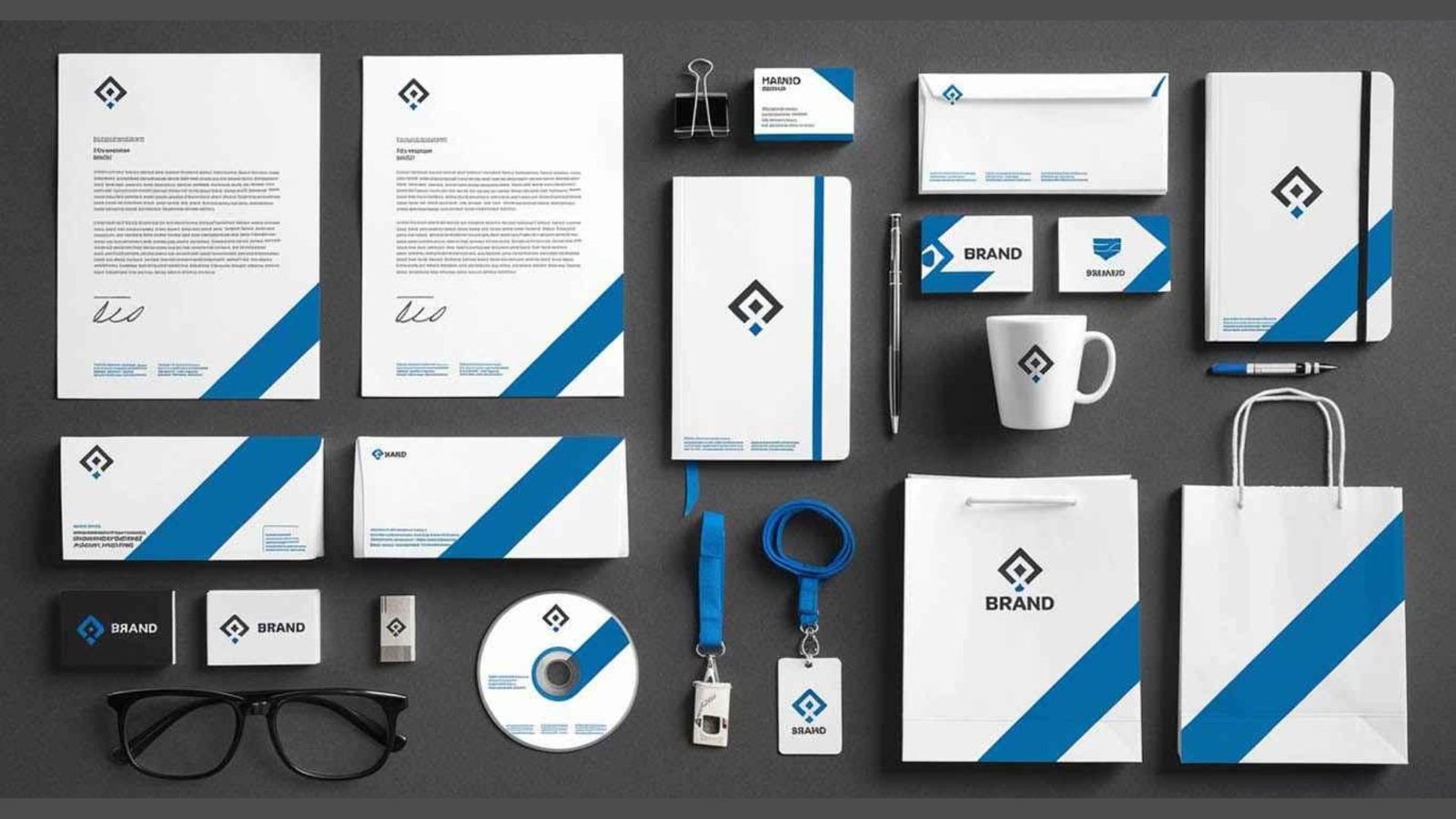
- Brand identity systems
- Website graphics
- Social media creatives
- Brochures and flyers
- Business cards
- Product packaging
- Email banners
- Presentation decks
- Infographics
- Event materials
Every design has a purpose – to make communication clearer, more memorable, and more effective.
Why Visual Communication Matters
People process visuals much faster than blocks of text. A well-designed graphic can explain an idea in seconds, while poorly organized visuals can confuse or distract your audience.
Think of graphic design as the bridge between your message and your customer. It helps people quickly understand who you are, what you offer, and why they should pay attention.
Whether you’re launching a startup or managing an established company, clear visual communication makes every interaction smoother.
10 Reasons Graphic Design Is Important for Every Business
1. It Creates a Strong First Impression
Your business only gets one chance to make a first impression.
Before customers read your website or contact your team, they notice your visual presentation. Clean, professional design signals that your business pays attention to detail and values quality.
A polished appearance encourages people to stay, explore, and learn more.
2. It Makes Your Brand Easy to Recognize
Recognition doesn’t happen by accident—it grows through consistency.
When your logo, colors, typography, and imagery follow a unified style, customers begin to associate those visuals with your business.
Over time, this consistency builds familiarity, making your brand easier to remember in a competitive market.
3. It Builds Confidence Before the First Conversation
Customers often decide whether a business feels trustworthy before they ever make contact.
Professional design communicates that your company is organized, reliable, and committed to delivering a quality experience.
When every customer touchpoint feels intentional, people are more comfortable taking the next step.
4. It Makes Complex Ideas Easier to Understand
Every business has information that can feel overwhelming.
Instead of presenting everything through long paragraphs, graphic design organizes content into visuals that are easier to scan and understand.
Examples include:
- Process diagrams
- Comparison charts
- Icons
- Infographics
- Visual timelines
Simple visuals help customers make decisions with greater confidence.
5. It Strengthens Every Marketing Campaign
Marketing and design work best together.
Even the best advertising message can lose impact if it’s paired with cluttered layouts or inconsistent visuals.
Good design helps marketing materials feel more professional, making campaigns more engaging across websites, social media, email, and print.
6. It Helps Your Business Stand Out
Customers compare businesses within seconds.
Strong visual identity gives your company a unique personality that separates it from competitors offering similar products or services.
Rather than competing only on price, distinctive design helps people remember your business for its identity and professionalism.
7. It Creates Consistency Across Every Platform
Today’s customers interact with brands in many places:
- Websites
- Social media
- Emails
- Advertisements
- Packaging
- Printed materials
Consistent design across all these channels creates a seamless experience that reinforces your brand at every stage of the customer journey.
8. It Supports Business Growth
As your business expands, your visual identity becomes even more important.
A scalable design system allows you to introduce new products, launch campaigns, enter new markets, and hire new team members without losing brand consistency.
Professional design becomes an asset that grows with your business.
9. It Adds Value Beyond Sales
Graphic design isn’t only for attracting customers.
It also improves communication within your business through:
- Internal presentations
- Employee handbooks
- Training materials
- Reports
- Company events
Clear visuals help teams understand information more efficiently.
10. It Reflects Your Business Personality
Every business has a unique voice.
Graphic design gives that personality a visual form.
Whether your brand is modern, premium, friendly, innovative, or minimal, thoughtful design helps customers experience those qualities before they read a single sentence.
Common Design Mistakes Businesses Make
Even successful businesses can weaken their brand with inconsistent design choices.
Some common mistakes include:
- Using multiple logo variations without guidelines
- Changing fonts across different materials
- Low-quality images
- Overcrowded layouts
- Inconsistent colors
- Too many visual effects
- Poor spacing
- Generic stock graphics without customization
Small improvements in consistency often create a much stronger overall impression.
When Should You Invest in Professional Graphic Design?
Professional graphic design becomes especially valuable when you are:
- Launching a new business
- Creating a new brand identity
- Building a website
- Running advertising campaigns
- Expanding into new markets
- Rebranding your company
- Launching new products
- Improving customer experience
Rather than treating design as an expense, think of it as an investment in how your business is perceived.
How Graphic Design Supports Digital Marketing
Graphic design strengthens every digital marketing channel.
It improves:
- Social media engagement
- Website user experience
- Email communication
- Landing pages
- Display advertisements
- Video thumbnails
- Content marketing
- Online branding
When design and marketing work together, businesses communicate more clearly and create stronger customer experiences.
Final Thoughts
Every business communicates, whether intentionally or not. The way your brand looks influences how people perceive your professionalism, reliability, and attention to detail.
Graphic design helps turn ideas into experiences. It makes information easier to understand, creates consistency across every customer touchpoint, and gives your business a recognizable identity that people can remember.
As markets become more competitive, businesses that invest in thoughtful, consistent design are better positioned to build lasting relationships with customers.
Graphic design isn’t just about decoration – it’s about creating clarity, confidence, and connection.
FAQs about Graphic Designing
No. Small businesses, startups, and local companies benefit just as much from professional design because it helps them compete with larger brands.
Yes. Strong design improves how marketing messages are presented, making campaigns easier to understand and more engaging across digital and print channels.
Yes. Consistent, professional visuals often create a stronger sense of credibility and reliability, helping customers feel more confident in a business.
Nearly every business can benefit, including retailers, manufacturers, healthcare providers, educational institutions, restaurants, service companies, technology firms, and nonprofits.
There is no fixed schedule. Businesses should review their visual identity periodically and update designs when branding, customer expectations, or business goals evolve.