
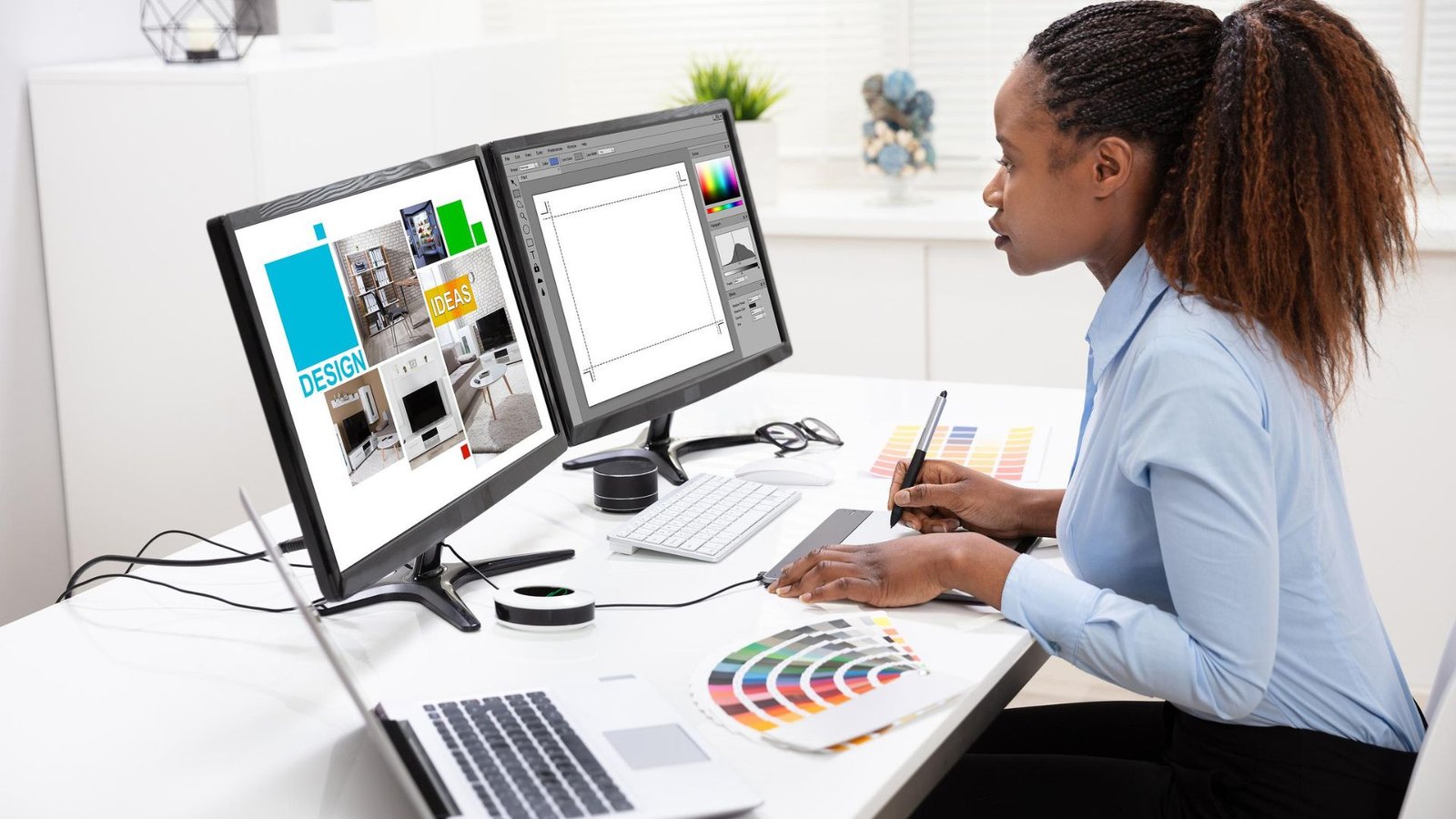
Graphic design is everywhere. From the logo on your favorite coffee cup to the social media posts you scroll through every day, graphic design shapes how brands communicate with people.
If you’re new to the world of design, you might wonder:
- What exactly is graphic design?
- What does a graphic designer do?
- Why is graphic design important for businesses?
- Can anyone learn graphic design?
This beginner-friendly guide answers all these questions and more.
Table of Contents
What Is Graphic Design?
Graphic design is the art and practice of combining text, images, colors, shapes, and layouts to communicate ideas visually.
The goal of graphic design is not just to make something look attractive – it is to make information clear, engaging, and easy to understand.
Whether it’s a company logo, a product package, a website banner, or a social media advertisement, every design is created to deliver a message and encourage a specific action.
Simple Example
Imagine opening two websites.
- One has clean layouts, readable fonts, and professional visuals.
- The other uses random colors, blurry images, and cluttered text.
Which one would you trust?
Most people choose the first one. That’s the power of good graphic design.
Why Is Graphic Design Important?
Professional graphic design helps businesses create a strong first impression and communicate their message effectively.
Benefits include:
- Builds brand recognition
- Creates a professional image
- Increases customer trust
- Improves marketing performance
- Makes content easier to understand
- Boosts social media engagement
- Helps products stand out from competitors
- Increases conversions and sales
Good design is an investment that supports both branding and business growth.
What Does a Graphic Designer Do?
A graphic designer creates visual content for businesses, organizations, and individuals.
Their responsibilities often include:
- Designing logos
- Creating social media graphics
- Building marketing materials
- Designing brochures and flyers
- Creating business cards
- Designing product packaging
- Creating website graphics
- Designing presentations
- Developing brand identity
Graphic designers combine creativity with strategy to solve communication problems through visuals.
Types of Graphic Design
1. Logo Design
A logo represents a company’s identity and is often the first thing customers recognize.
Examples include:
- Company logos
- Brand icons
- Product logos
2. Brand Identity Design
Brand identity includes:
- Color palette
- Typography
- Icons
- Brand guidelines
- Visual style
This creates consistency across all marketing materials.
3. Marketing Design
Marketing graphics help promote products and services.
Examples include:
- Social media posts
- Online advertisements
- Email banners
- Promotional posters
- Digital brochures
4. Print Design
Printed materials remain valuable for many businesses.
Examples include:
- Flyers
- Business cards
- Brochures
- Catalogs
- Magazines
5. Packaging Design
Product packaging influences buying decisions and helps products stand out on store shelves.
6. Website Graphics
Website visuals include:
- Hero banners
- Icons
- Illustrations
- Infographics
- Landing page graphics
7. Infographic Design
Infographics transform complex information into easy-to-understand visual content.
Principles of Graphic Design
Great designs follow a few essential principles.
- Balance: Distribute elements evenly across the design.
- Contrast: Use differences in color, size, and shape to highlight important information.
- Alignment: Keep elements organized and visually connected.
- Repetition: Use consistent fonts, colors, and styles throughout the design.
- Hierarchy: Guide viewers to the most important information first.
- White Space: Leave enough empty space to improve readability and focus.
Essential Graphic Design Tools
Popular tools include:
- Adobe Photoshop
- Adobe Illustrator
- Adobe InDesign
- Figma
- Canva
- Adobe Express
- CorelDRAW
- Affinity Designer
Beginners often start with Canva or Figma, while professionals commonly use Adobe Creative Cloud.
Graphic Design Process
Understand the Client
Learn about goals, audience, and project requirements.
Research
Study competitors and gather inspiration.
Brainstorm Ideas
Sketch concepts and explore creative directions.
Create the Design
Develop the chosen concept using design software.
Review and Revise
Collect feedback and refine the design.
Deliver Final Files
Provide designs in the required formats for print or digital use.
Skills Every Graphic Designer Needs
Successful designers combine creative and technical skills.
Important skills include:
- Creativity
- Typography
- Color theory
- Layout design
- Communication
- Attention to detail
- Problem-solving
- Time management
- Software proficiency
- Brand understanding
Graphic Design vs Web Design
Graphic Design | Web Design |
Focuses on visual communication | Focuses on website layout and user experience |
Creates logos and marketing materials | Designs websites and landing pages |
Used in print and digital media | Used primarily for websites |
Prioritizes branding | Prioritizes usability and functionality |
Although they overlap, they serve different purposes.
Benefits of Professional Graphic Design
Hiring professional graphic designers can help businesses:
- Build a memorable brand
- Increase customer trust
- Improve marketing campaigns
- Strengthen online presence
- Create consistent branding
- Save time
- Stand out from competitors
- Generate more leads
Professional design supports long-term business growth.
Can You Learn Graphic Design?
Absolutely.
Many successful designers begin with free tutorials, practice projects, and online courses.
The best way to improve is through consistent practice, studying great designs, and building a portfolio.
Final Thoughts
Graphic design is much more than making things look attractive. It is a powerful communication tool that helps businesses connect with customers, strengthen their brand, and achieve marketing goals.
Whether you’re starting a business, exploring a creative career, or simply curious about design, understanding the basics of graphic design is the first step toward creating visuals that make a lasting impression.
Investing in quality design today can help build a stronger and more recognizable brand tomorrow.
FAQs about Graphic Design
Graphic design is the process of using images, colors, fonts, and layouts to communicate ideas visually.
Graphic designers create logos, brochures, social media graphics, websites, advertisements, packaging, presentations, and other visual materials.
Yes. Graphic design offers opportunities in marketing agencies, businesses, startups, publishing, e-commerce, and freelance work.
No. Many designers build successful careers through self-learning, online courses, and strong portfolios.
Canva and Figma are excellent for beginners. As your skills grow, Adobe Photoshop and Illustrator are industry-standard tools.